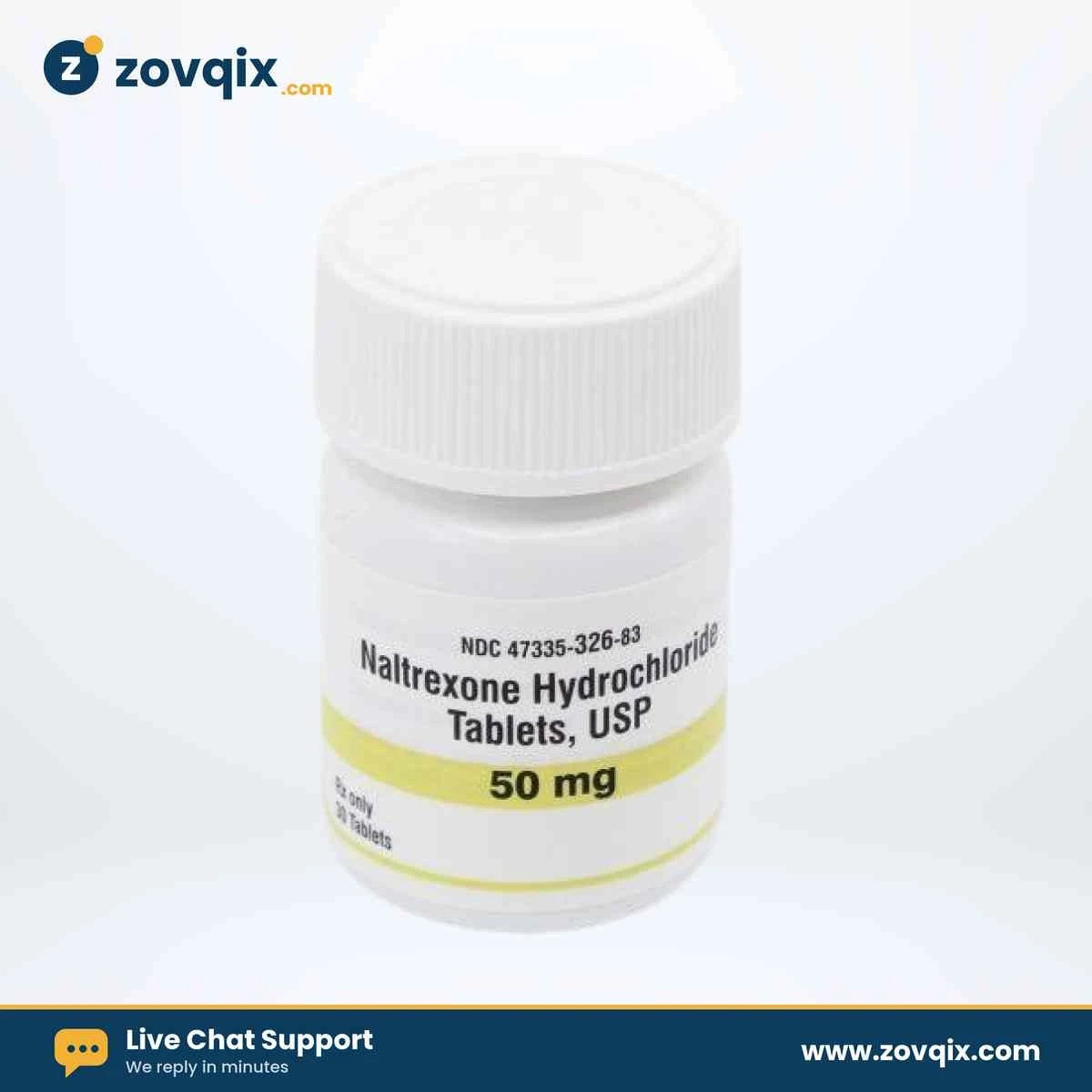
Naltrexone Hydrochloride Tablets are prescription medicines containing naltrexone hydrochloride, an opioid antagonist. This medicine is used as part of a medically supervised treatment programme for alcohol dependence and opioid dependence.
It works by blocking the effects of opioid drugs and may help reduce alcohol cravings when used alongside appropriate counselling and support. It is not a general wellness supplement or a medicine for self-treatment.
Naltrexone Hydrochloride may be prescribed by a healthcare professional for:
Alcohol dependence: Helps support recovery by reducing the desire to drink alcohol.
Opioid dependence: Blocks the effects of opioid drugs as part of a structured treatment programme.
Recovery support: May be included in a wider plan involving medical supervision, counselling, and ongoing support.
Treatment suitability depends on the patient's medical history and current or recent use of opioid medicines.
Naltrexone works by blocking opioid receptors in the brain. This reduces or prevents the effects of opioid substances.
For alcohol dependence, it may help reduce the rewarding effects associated with drinking and support a treatment plan aimed at maintaining recovery.
Product Name: Naltrexone Hydrochloride Tablets
Active Ingredient: Naltrexone Hydrochloride
Medicine Category: Opioid antagonist
Dosage Form: Oral tablets
Strength: Confirm the strength printed on the product packaging
Pack Size: Confirm with the supplier
Manufacturer: Check the original packaging
Prescription Status: Prescription medicine
Naltrexone must only be used under medical supervision.
Opioid use: It must not be started by someone currently taking opioid painkillers or dependent on opioids without a doctor's assessment.
Withdrawal risk: Starting naltrexone while opioids are still in the body can trigger sudden, severe withdrawal symptoms. A healthcare professional must determine when treatment can safely begin.
Liver health: Naltrexone can cause liver-related problems. People with liver disease need medical assessment and appropriate monitoring.
Medication interactions: Tell the doctor about all prescription medicines, painkillers, supplements, and other substances being used.
Overdose risk: After stopping treatment, opioid tolerance may be lower. Returning to previously tolerated opioid amounts can cause a potentially fatal overdose.
Some reported side effects include:
Nausea or vomiting
Headache
Dizziness
Nervousness
Difficulty sleeping
Abdominal discomfort
Tiredness
Seek medical attention for severe abdominal pain, yellowing of the skin or eyes, dark urine, or other signs of possible liver injury.
It is prescribed for alcohol dependence and as part of treatment for opioid dependence.
No. It is an opioid antagonist that blocks opioid receptors rather than producing opioid effects.
No. Naltrexone blocks opioid medicines and can create serious risks. A doctor must review opioid use before treatment.
It is a prescription medicine and should only be used under qualified medical supervision.
It is generally used as part of a wider treatment programme that may include counselling and other recovery support.
Strengths can vary by manufacturer and product. Check the actual packaging or prescription for the correct strength.

No review given yet!
 Fast Delivery
 Secure Payments
 Easy Returns
 Friendly Support



You need to login to view this feature

This address will be removed from this list
 english