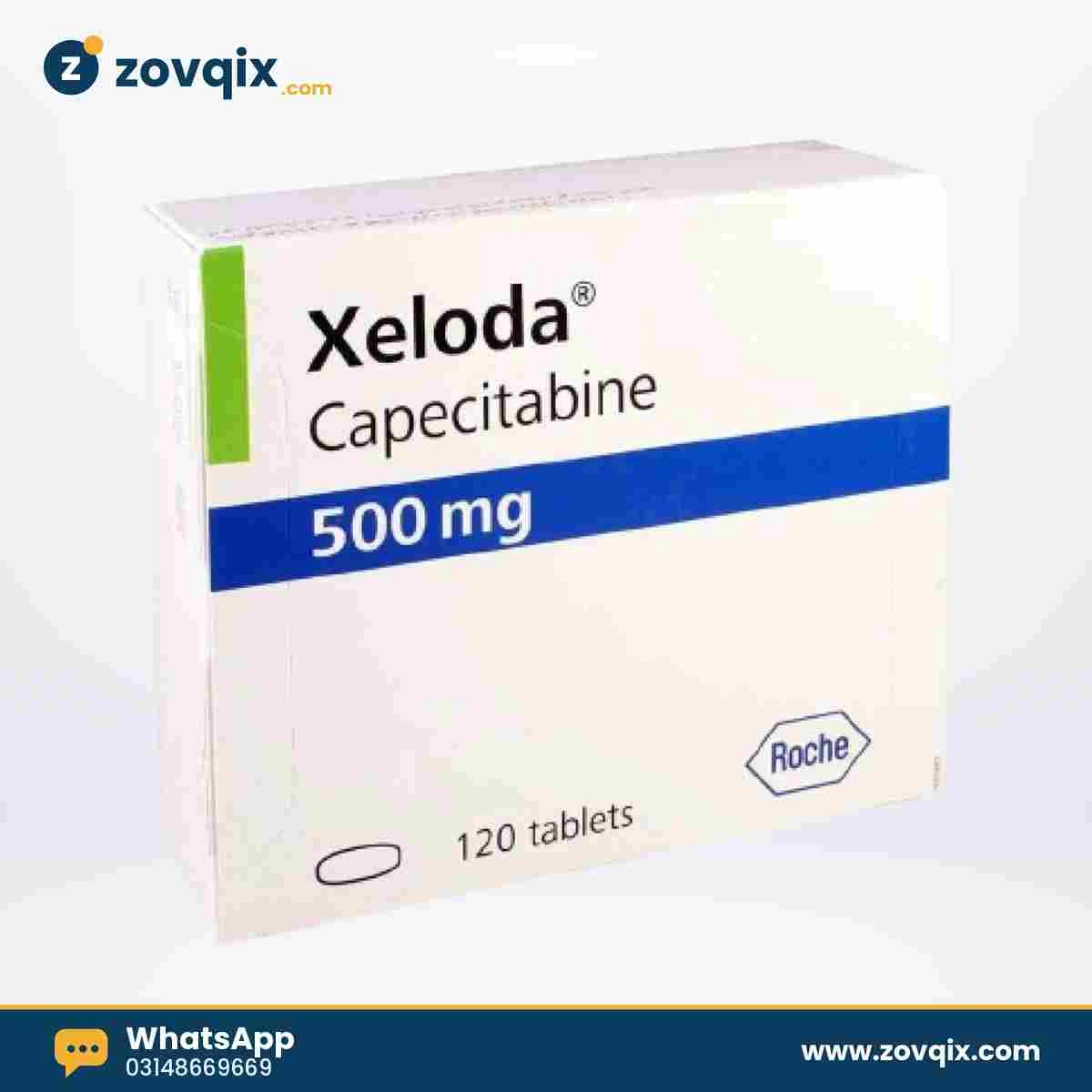
Xeloda 500mg is an oral chemotherapy medicine containing capecitabine, an anticancer drug used to treat certain types of cancer. It belongs to a class of medicines called antimetabolites.
After entering the body, capecitabine is converted into 5-fluorouracil (5-FU), which interferes with cancer cells' ability to grow and multiply.
Xeloda is prescribed by oncology specialists as a standalone treatment or in combination with other cancer medicines, depending on the patient's diagnosis and treatment plan.
The listed presentation contains 500mg capecitabine per tablet and 120 tablets per bottle.
Capecitabine may be prescribed for selected cases of:
Colorectal Cancer: Used in certain colon and colorectal cancer treatment plans.
Breast Cancer: Prescribed for selected advanced or metastatic breast cancer cases.
Gastric Cancer: May be included in specialist-directed treatment for certain stomach cancers.
Esophageal Cancer: Used in selected treatment regimens.
Pancreatic Cancer: May be prescribed as part of a combination chemotherapy plan.
The appropriate treatment depends on the cancer diagnosis, stage, previous therapies and the patient's overall health.
| Specification | Details |
|---|---|
| Brand Name | Xeloda |
| Generic Name | Capecitabine |
| Strength | 500mg |
| Pack Size | 120 Tablets |
| Dosage Form | Film-coated tablets |
| Administration | Oral |
| Medicine Category | Antineoplastic medicine |
| Drug Class | Antimetabolite |
| Intended Use | Specialist-directed cancer treatment |
| Prescription Status | Prescription only |
Capecitabine is a prodrug that the body converts into an active anticancer substance called 5-fluorouracil.
This substance interferes with the production of DNA and RNA, processes that cells need to grow and multiply. The medicine helps slow or stop the growth of susceptible cancer cells.
Xeloda is a potent chemotherapy medicine and must be prescribed and monitored by an oncologist.
Possible side effects include:
Diarrhoea
Nausea and vomiting
Mouth sores
Loss of appetite
Fatigue and weakness
Hand-foot syndrome, including redness, swelling, pain or peeling of the palms and soles
Changes in blood-cell counts
Dehydration
Changes in liver function
Important precautions:
DPD deficiency: Serious or potentially fatal reactions can occur in people with complete DPD deficiency. Genetic testing for DPYD variants is recommended before starting treatment unless immediate treatment is necessary.
Drug interactions: Capecitabine can increase bleeding risk when taken with vitamin K antagonists such as warfarin. Close INR monitoring is required.
Kidney function: Kidney function should be assessed and monitored during treatment.
Heart complications: Serious cardiac reactions may occur, particularly in patients with existing heart disease.
Pregnancy: Capecitabine can cause fetal harm. Pregnancy and contraception precautions must be discussed with the oncology team.
Tablet handling: Swallow tablets whole according to the prescription. Do not crush, chew or cut them.
Monitoring: Blood counts, kidney function and other relevant clinical measurements may need regular monitoring.
Contact the treating oncology team promptly about severe diarrhoea, dehydration, fever, unusual bleeding, chest pain, severe mouth sores or significant skin reactions.
Xeloda contains capecitabine and is prescribed for certain cancers, including colorectal and breast cancer, and selected other cancer treatment regimens.
The listed presentation contains 120 tablets, each containing 500mg capecitabine.
Yes. It is an oral anticancer medicine taken as tablets under an oncologist's supervision.
Yes. It is a prescription chemotherapy medicine and should only be used under specialist medical supervision.
The oncologist determines the treatment schedule based on the patient's diagnosis, body surface area, kidney function and other clinical factors. Follow the individual prescription rather than a general online dosage recommendation.
DPD deficiency is a condition affecting the body's ability to break down fluoropyrimidine medicines. It can increase the risk of severe or life-threatening capecitabine toxicity.
Yes. It may cause redness, swelling, tingling, pain or peeling of the hands and feet. Report these symptoms to the treating oncology team.

No review given yet!
 Fast Delivery
 Secure Payments
 Easy Returns
 Friendly Support






You need to login to view this feature

This address will be removed from this list
 english